A transition forest between two worlds
Carara sits at the mouth of the Tárcoles River, on the boundary between the Central Pacific and the Central Valley. That position allows dry-forest and rainforest species to share the same place, a mix that is rare elsewhere in Costa Rica.
The park belongs to the Central Pacific Conservation Area and is managed by SINAC. Its roughly 5,000 hectares protect primary and secondary forest in different stages of recovery, along with the mangroves linked to the river.
Scarlet macaws, toucans and over 300 bird species
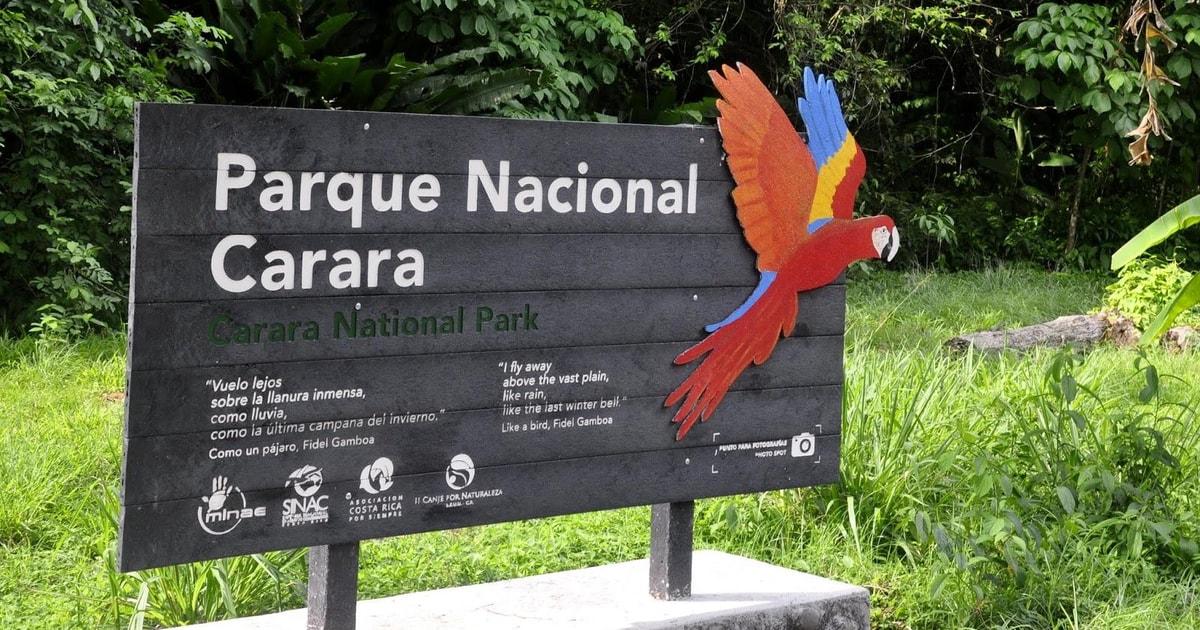
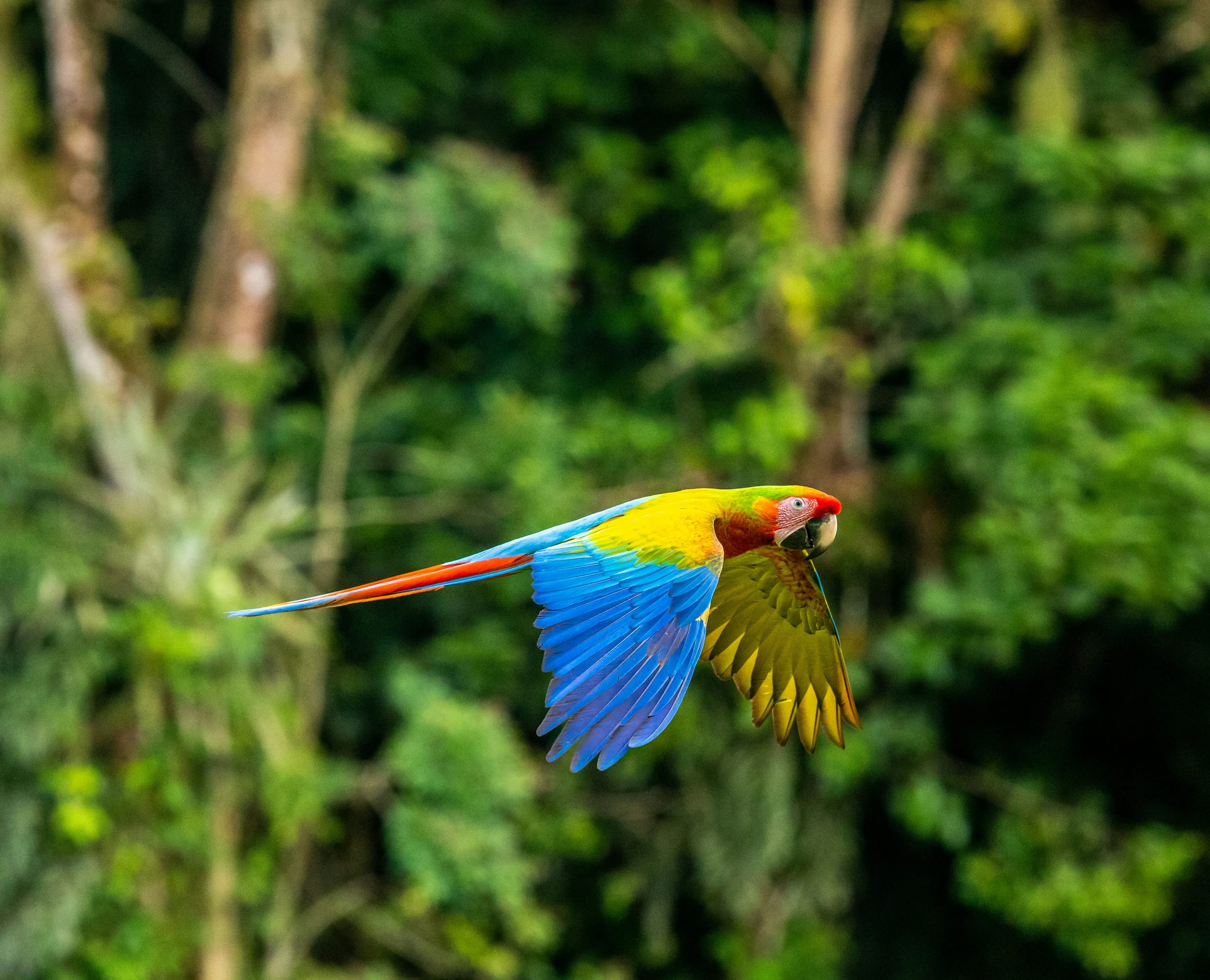
Carara is famous for its scarlet macaws, which nest in tall trees near the Tárcoles River. They are wild birds and cannot be guaranteed, but this is one of the most likely places on the Central Pacific to see them in flight.
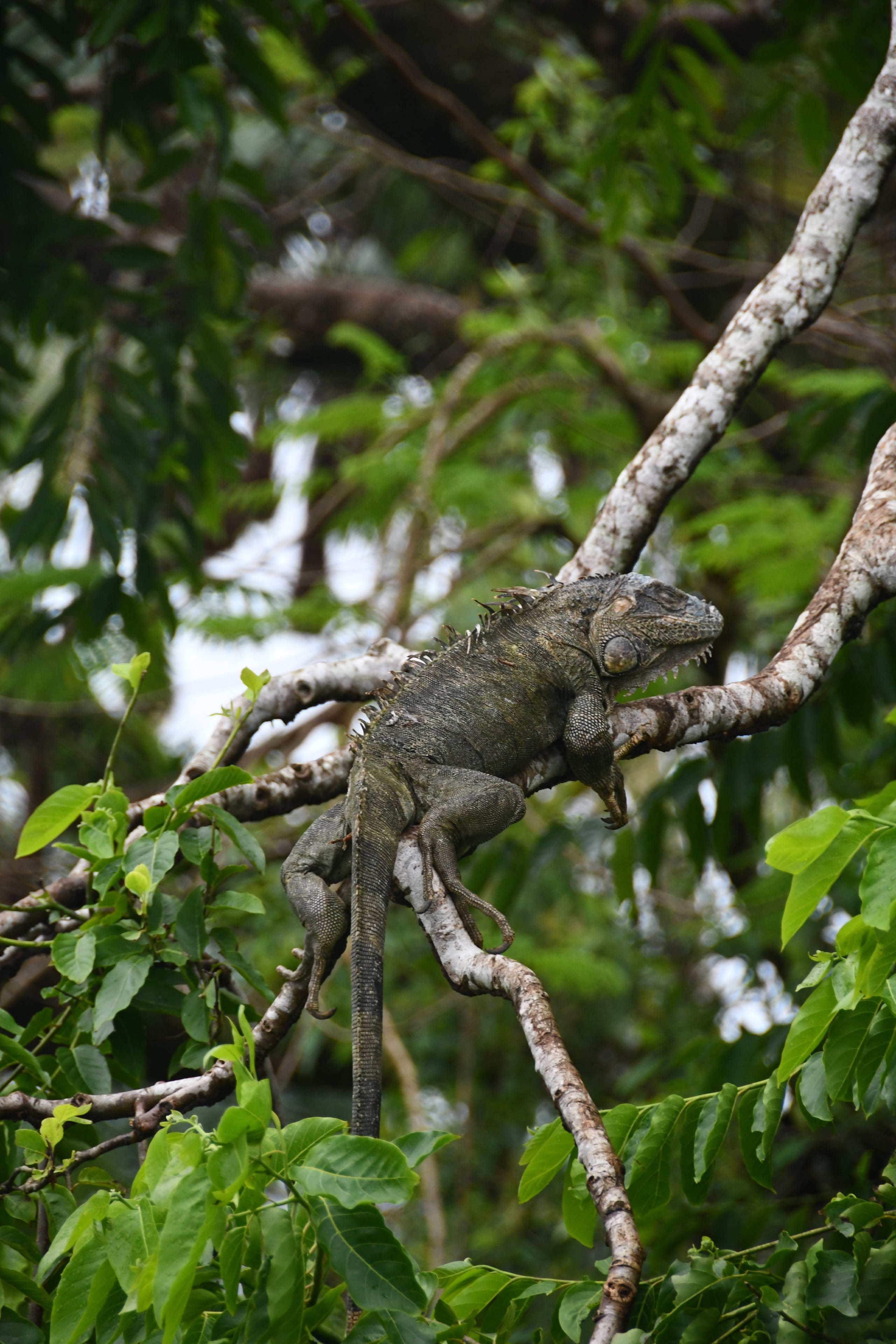
Along the trails you may also spot toucans, manakins, capuchin and howler monkeys, plus a wide range of insects, amphibians and reptiles. A naturalist guide greatly improves the odds of finding wildlife that is easy to miss.
Getting there and when to visit
The park's main entrance is next to the bridge over the Tárcoles River, on the Coastal Highway, about 25 minutes from Puerto Caldera and Esparza via Route 27 and roughly two hours from San José. That makes it easy to combine with a river safari in the same area.
It is best to visit early, between opening time and mid-morning, when wildlife is most active and the heat is still mild. The dry season, from December to April, brings clearer skies; the green season offers lusher landscapes and fewer visitors.
Tickets and reservations
SINAC charges one entrance fee for foreign visitors and a different one for Costa Rican residents. Prices change over time, so it is best to confirm them on the official SINAC website before travelling.
An online reservation is required to enter and should be booked ahead in high season. Guided tours usually handle the reservation and the transport from the Puntarenas and Puerto Caldera area.
Tips to make the most of your visit
The best time to walk Carara is early morning: wildlife is more active, there are fewer visitors and the heat is still mild. Bring water, insect repellent, sunscreen and comfortable closed shoes, because the trails can be damp even in the dry season.
The park has trails of different lengths, such as Laguna Meándrica, Araceas and a universally accessible stretch, so you can match the walk to your time and fitness. A naturalist guide helps interpret the forest and spot birds that are easy to miss with the naked eye.
Binoculars and a camera with some zoom make a real difference, especially for birds and monkeys. Keep your distance from wildlife, never feed the animals and stay on the marked trails: these are the rules that protect the park and everyone visiting it.
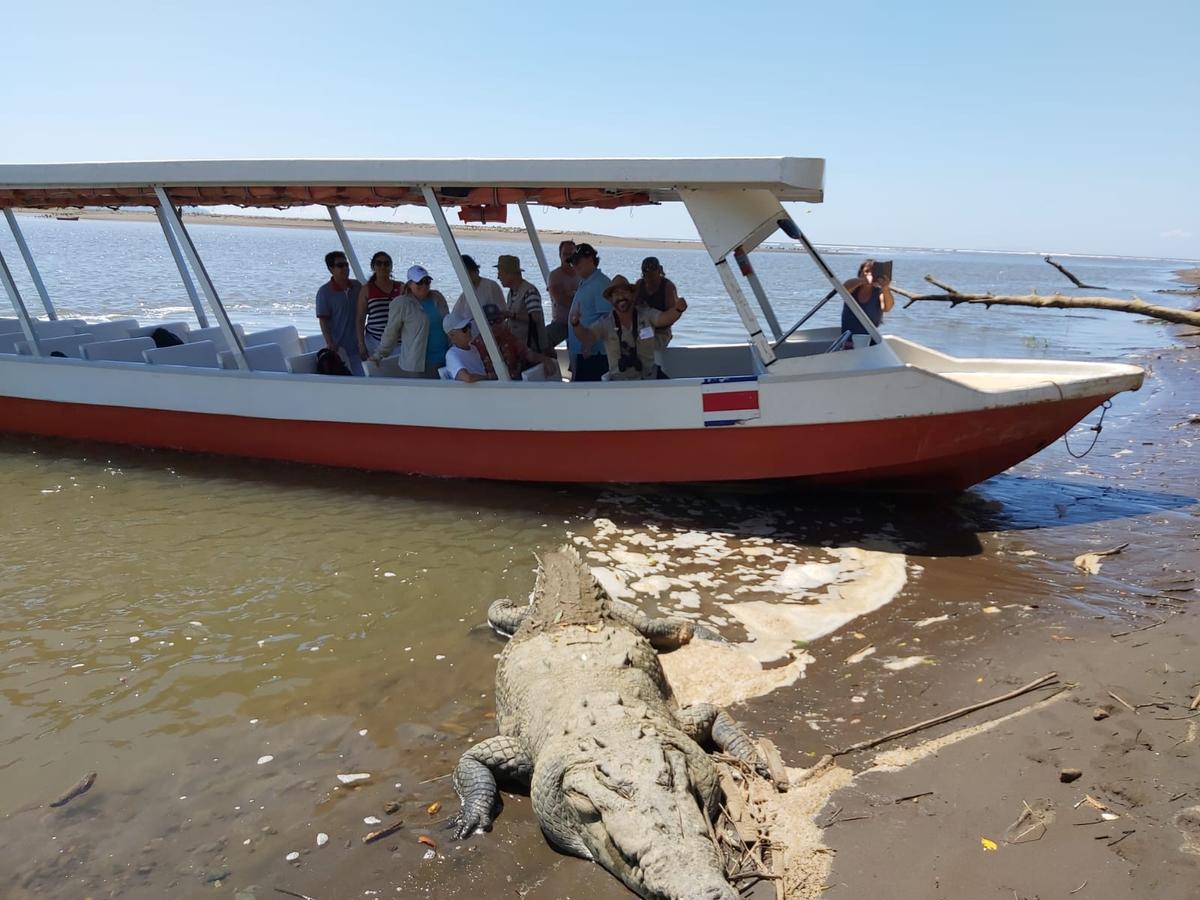
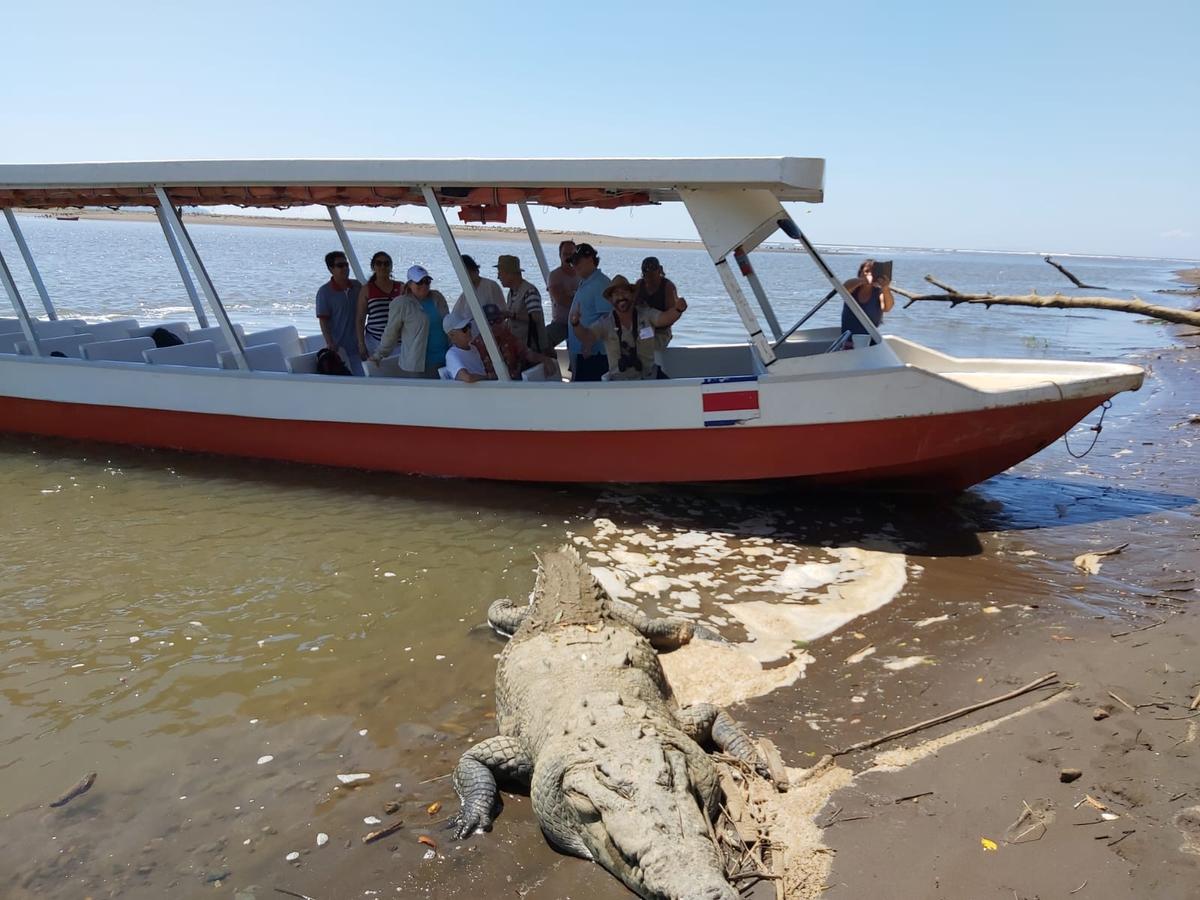
If you want to combine the hike with a river safari, many tours in the catalogue pair both experiences on the same day, since the Tárcoles River and the park entrance are just minutes apart. That lets you make the most of the trip without adding long transfers and return to the Puntarenas or Puerto Caldera area without rushing.