One of the country's most visited parks
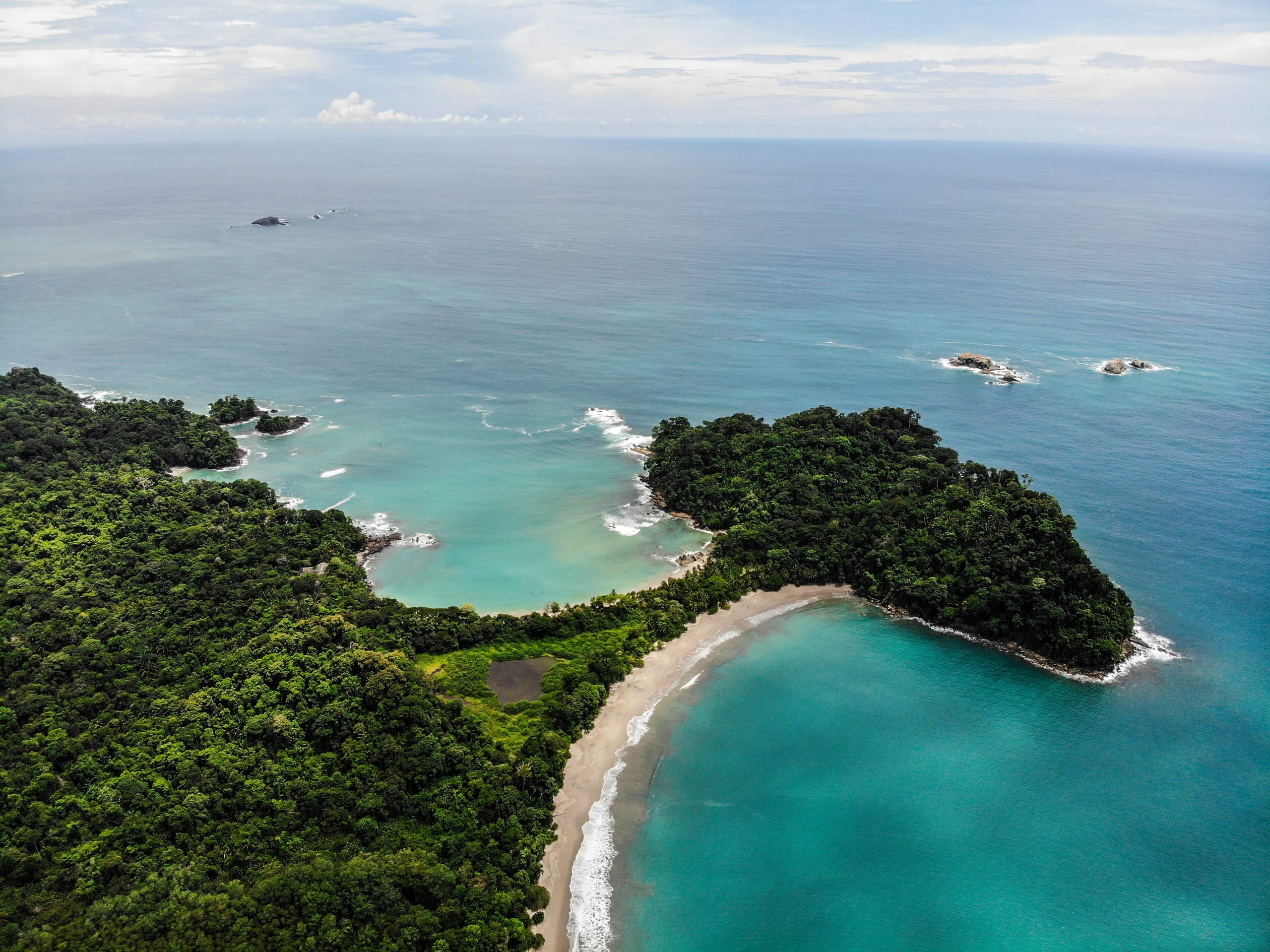
Manuel Antonio is one of Costa Rica's smallest and most popular national parks. Its appeal lies in the mix of beaches and forest: you can walk among trees full of wildlife and finish the route in a white-sand cove.
The park is managed by SINAC and has a daily visitor cap. That limit helps protect the environment but also means tickets sell out quickly in high season.
Beaches, sloths and monkeys
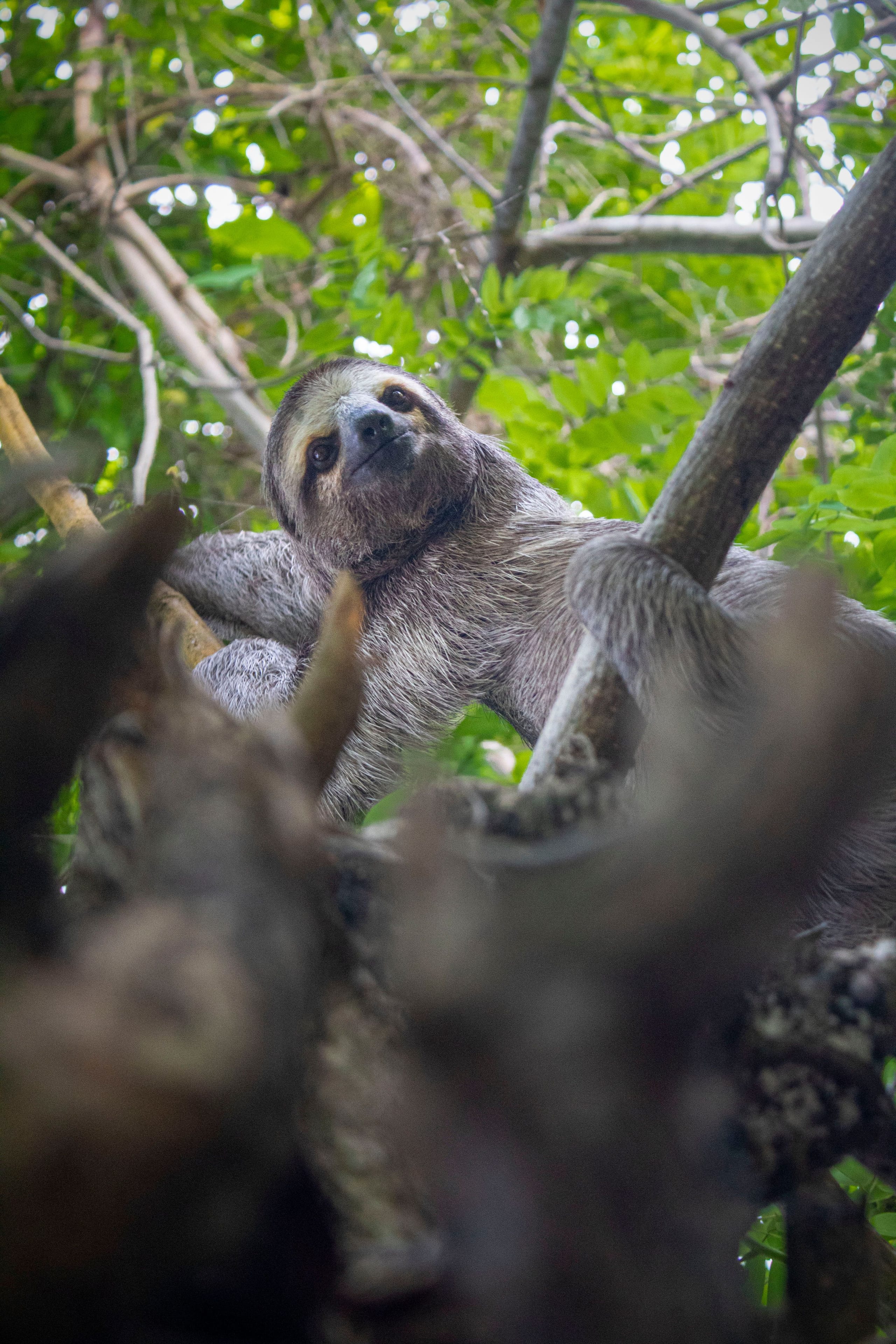
Wildlife is relatively easy to spot: two- and three-toed sloths, capuchin and howler monkeys, iguanas, coatis and plenty of birds. Precisely because they are so used to people, it is important not to feed the animals or leave food in view.
Among the beaches, Espadilla Sur and Manuel Antonio stand out, with moderate surf and pale sand. The viewpoint and trails offer views of the bay and of Punta Catedral, an old tombolo now covered in vegetation.
Getting there and when to go
Manuel Antonio is on the Quepos coast, about two hours by road from Puntarenas and Puerto Caldera, depending on traffic. It is therefore usually visited as a full-day excursion rather than a short stop.
The park closes one day a week, so it is worth confirming the schedule before booking. Early morning is best for wildlife and to avoid the heat and the crowds.
Tickets and park rules
SINAC requires online booking and caps the number of visitors per time slot. Prices for foreign visitors change over time and should be confirmed on the official website before travelling.
Inside the park, bringing food in disposable packaging and feeding the wildlife are not allowed, and leaving the marked trails is prohibited. A naturalist guide helps interpret the ecosystem and follow these rules.
Trails, beaches and viewpoints
The classic route combines the main trail with the viewpoint and the descent to Manuel Antonio Beach, sheltered by a headland. Very close by is Espadilla Sur Beach, with more open sand, and the Punta Catedral area, an old isthmus now covered in vegetation.
The trails are short and fairly flat, but the humidity and heat are noticeable. It is best to start early and bring water and shoes that can get wet. To swim, follow the park rangers' instructions, as some beaches can have currents.
Besides the beaches, the park is a good place to watch coastal birds and, with patience, sloths resting in the treetops. Keeping quiet and not getting too close improves your chances of seeing wildlife without disturbing it.
For a day in the park, bring enough water, sunscreen, insect repellent and a dry change of clothes if you plan to swim. Access to the beaches inside the park is on foot, so you walk a fair amount between forest and sand. Tickets are sold by time slot and capacity is limited, so turning up without a reservation in high season rarely works. Outside the park, the town of Manuel Antonio and Quepos offer restaurants, services and accommodation to round off the day. A light rain layer is worth carrying in green season, when short showers are common.