The river of crocodiles
The Tárcoles River rises in the Central Valley and reaches the Pacific beside Carara National Park. In its lower stretch, among mangroves and riverside forest, a large number of American crocodiles gathers, some of them very big.
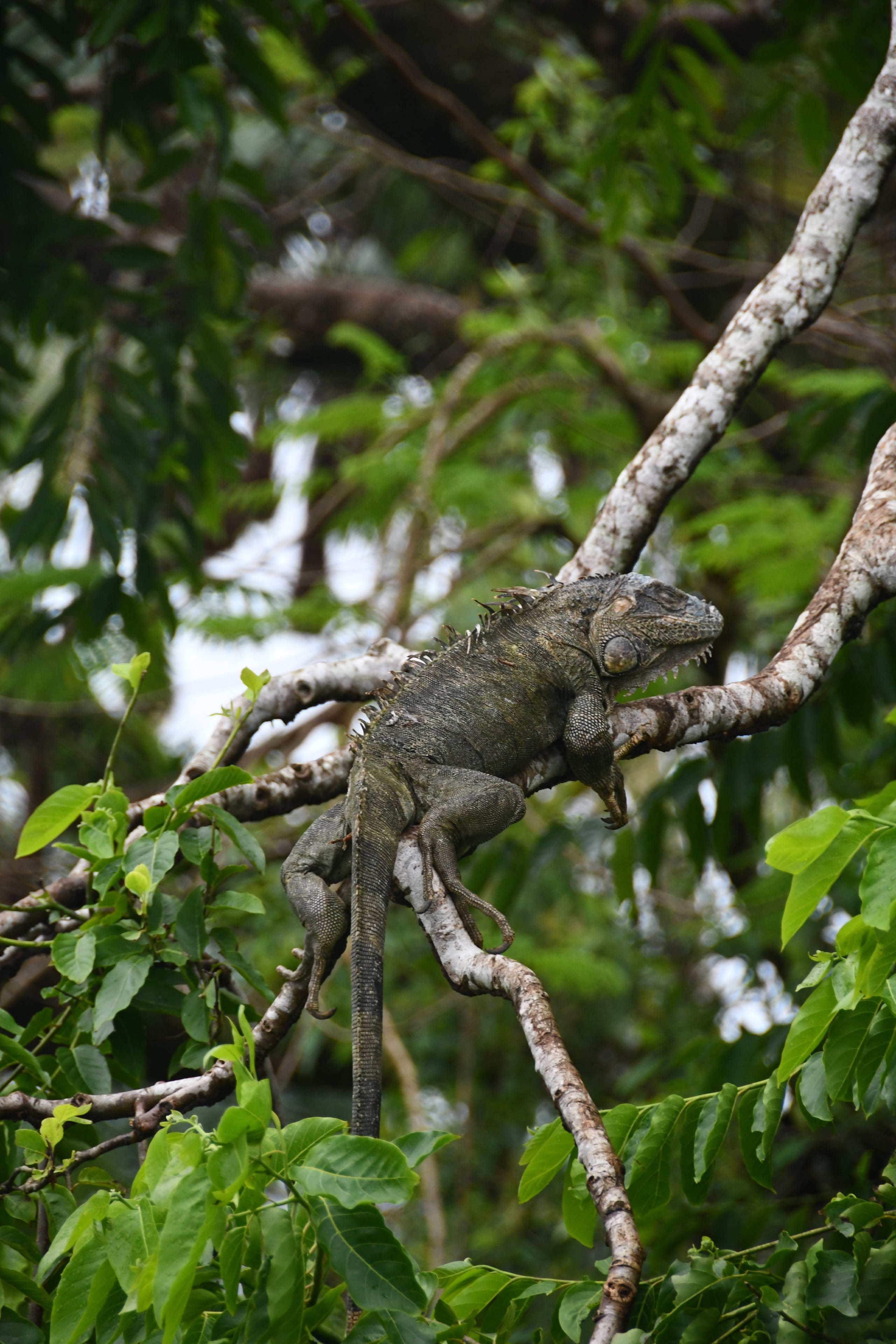
Although famous for its crocodiles, the river is also a wildlife corridor: its waters and banks support water birds, monkeys, iguanas and wetland vegetation that acts as a natural nursery for many species.
Crocodiles, birds and mangroves
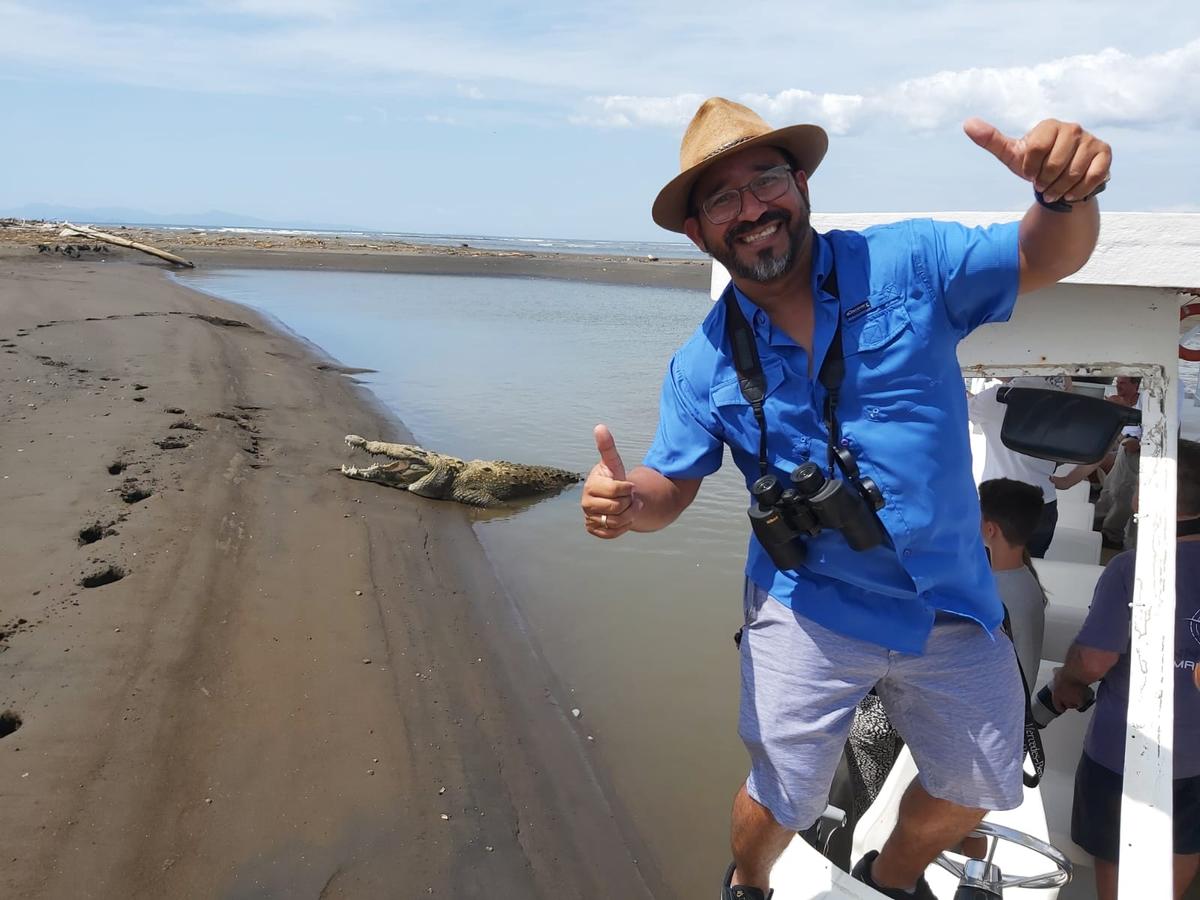
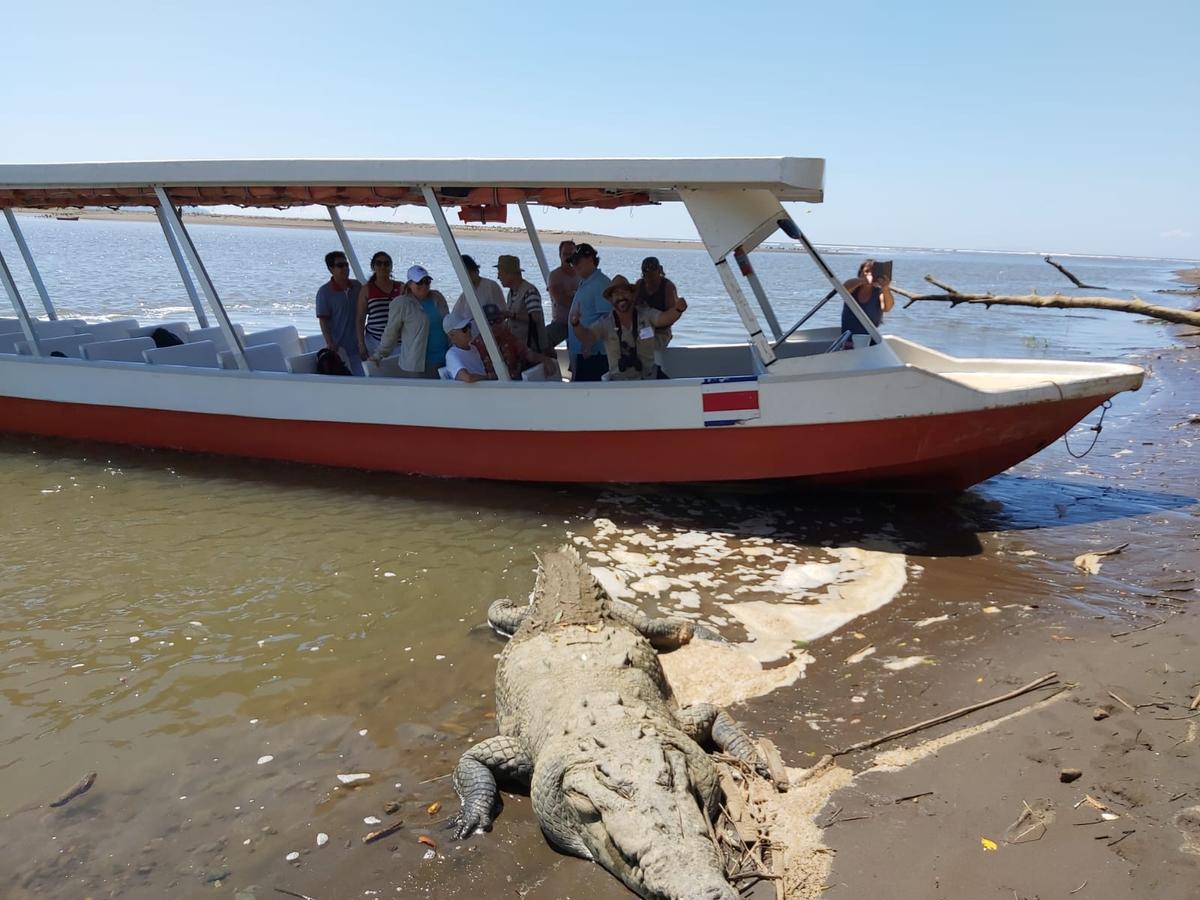
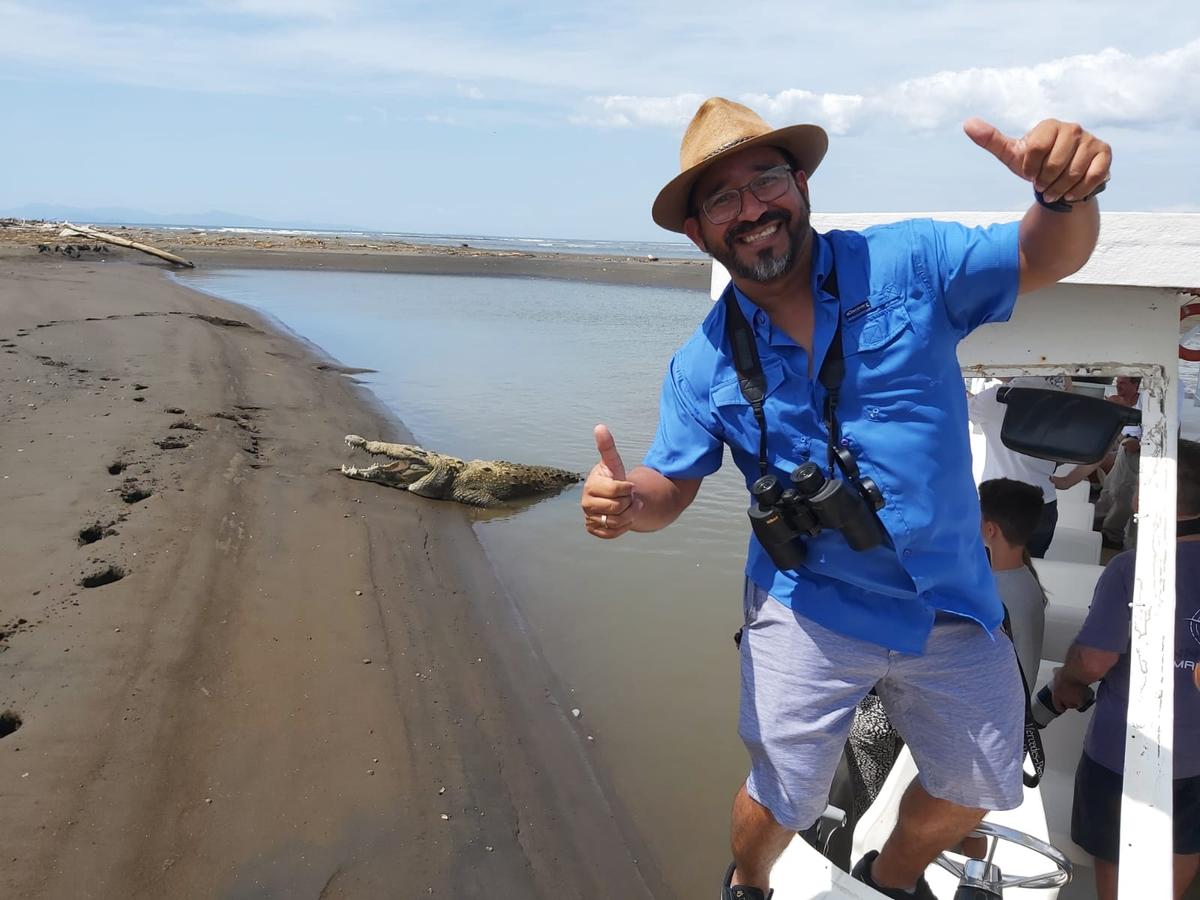
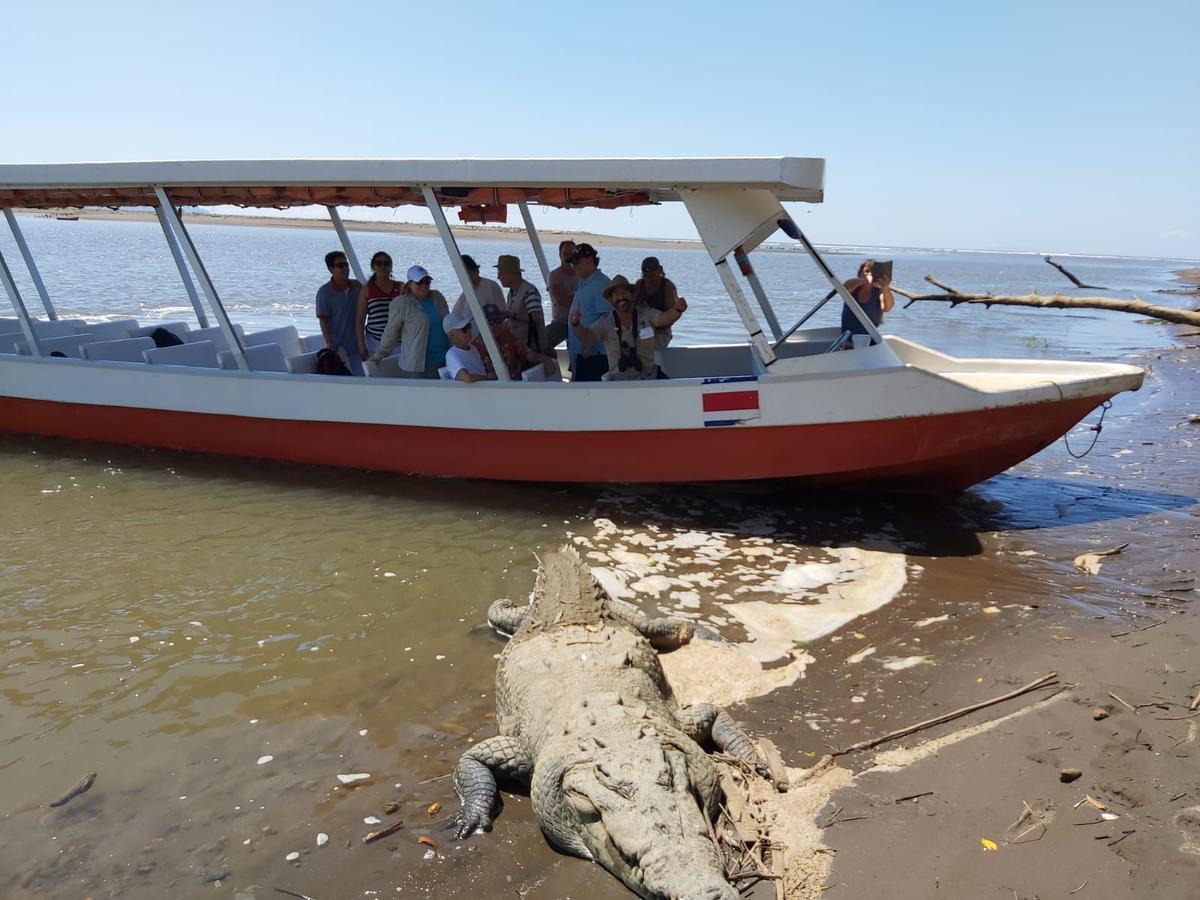
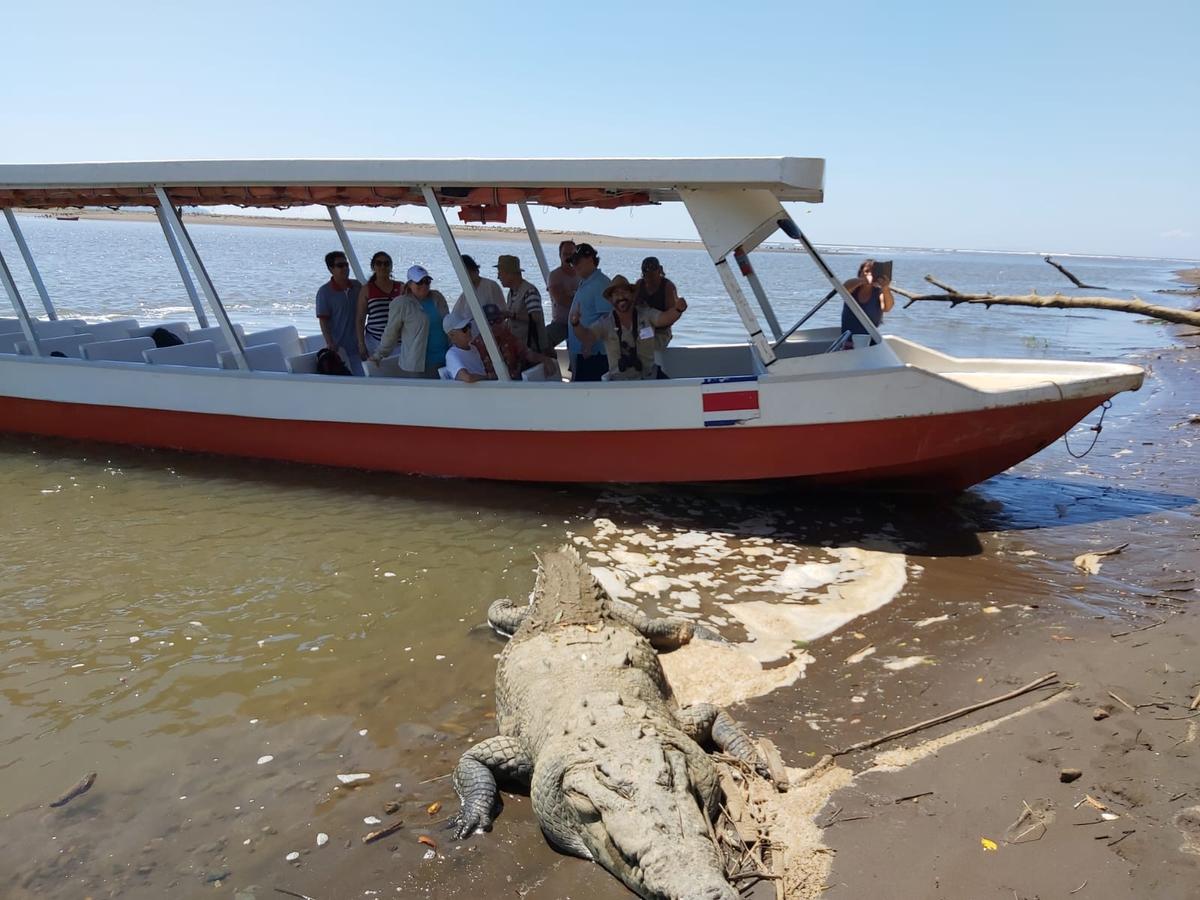
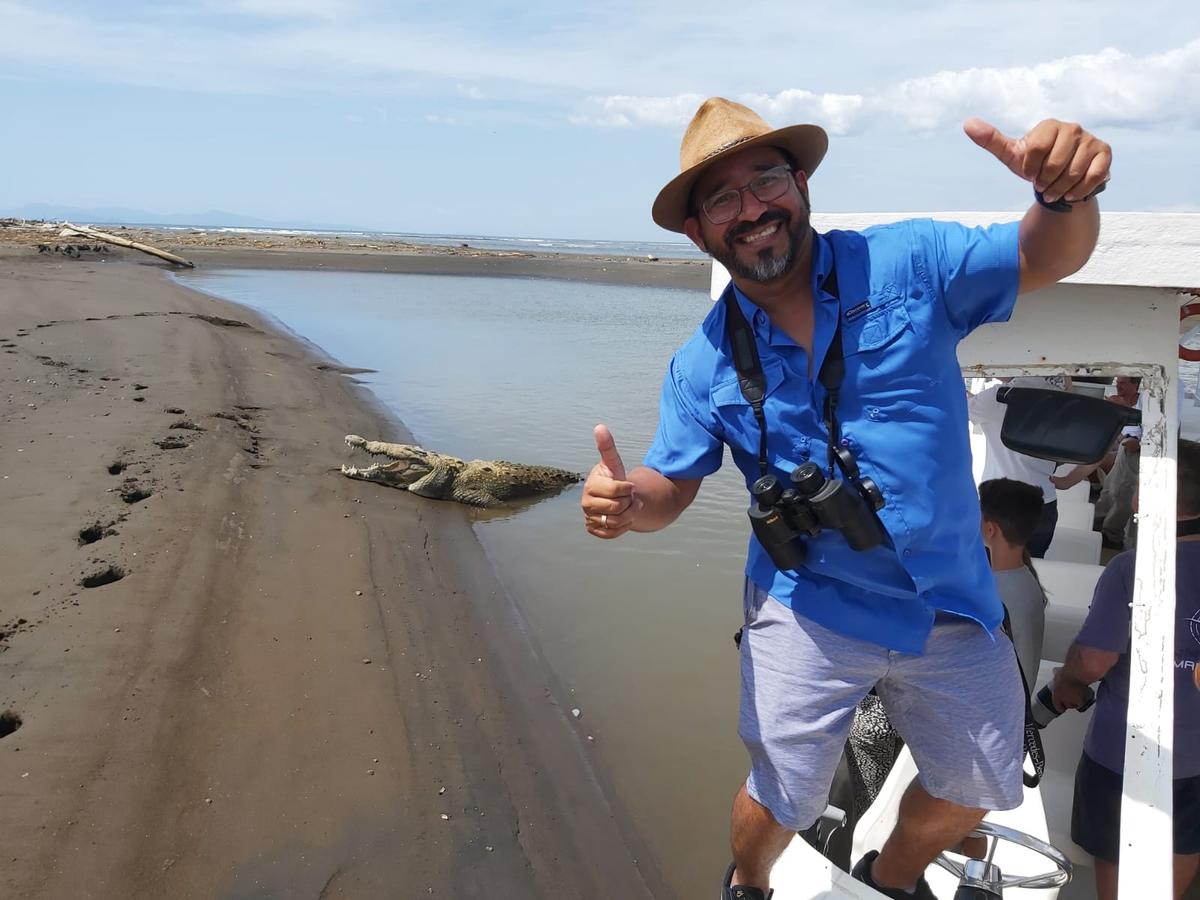
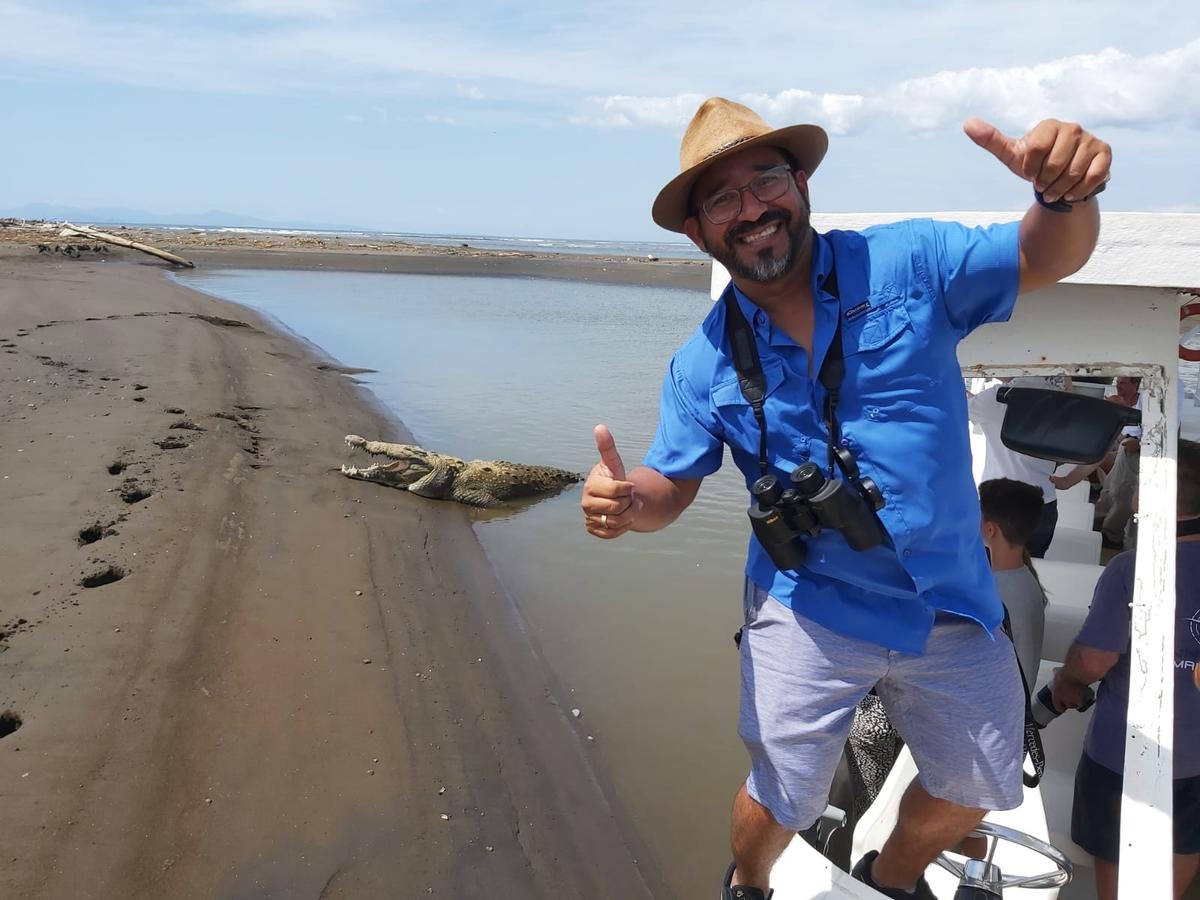
From a boat you can safely approach crocodiles resting on the bank while the guide explains their biology and why they must not be fed. It is also one of the country's best spots for wetland birds, herons, kingfishers and birds of prey.
The Crocodile Bridge, on the Coastal Highway, is a famous viewpoint where the reptiles are often seen from above. A river safari, by contrast, lets you travel through the mangroves and reach corners that the road never shows.
Getting there and when to go
The navigable stretch is about 20–25 minutes from Puerto Caldera and Esparza via Route 27 and very close to the Carara entrance. Tours usually pick travellers up in the Puntarenas and Caldera area or nearby hotels.
Morning departures tend to offer soft light, cooler temperatures and more active wildlife. The dry season brings clear skies; in the green season the river and mangroves look lusher and there are fewer visitors, though it may rain in the afternoon.
Responsible wildlife watching
Crocodiles are predators: safety depends on staying in the boat and following the guide's instructions. Feeding the animals alters their behaviour and increases risk to people, which is why it is not allowed.
A respectful visit keeps its distance, avoids noise and does not chase animals for a photo. Operators who work with local guides and small groups usually offer the safest and most informative experience.
What to expect on a river safari
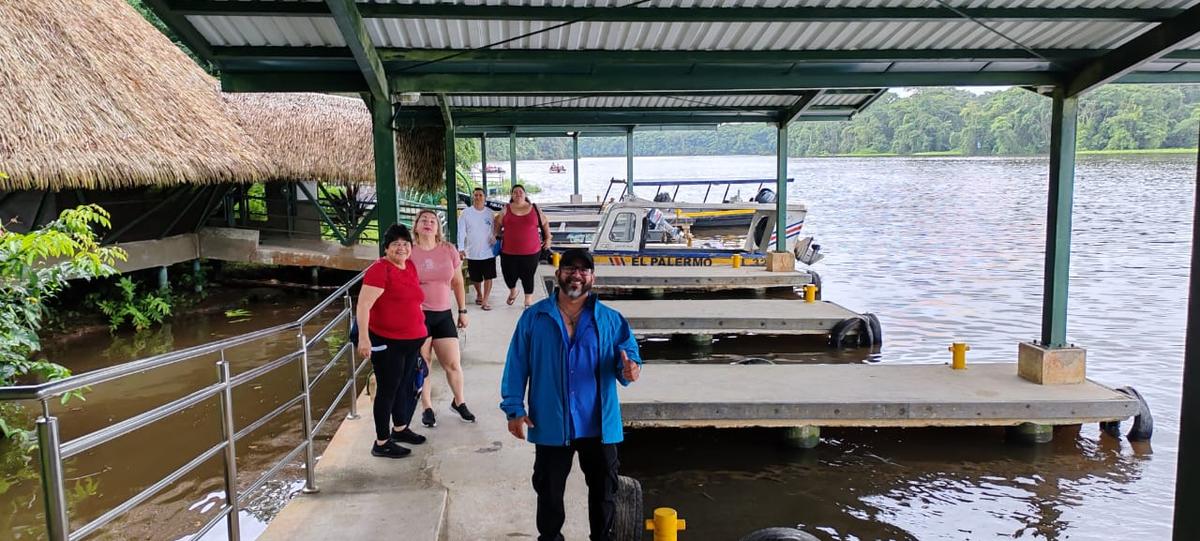
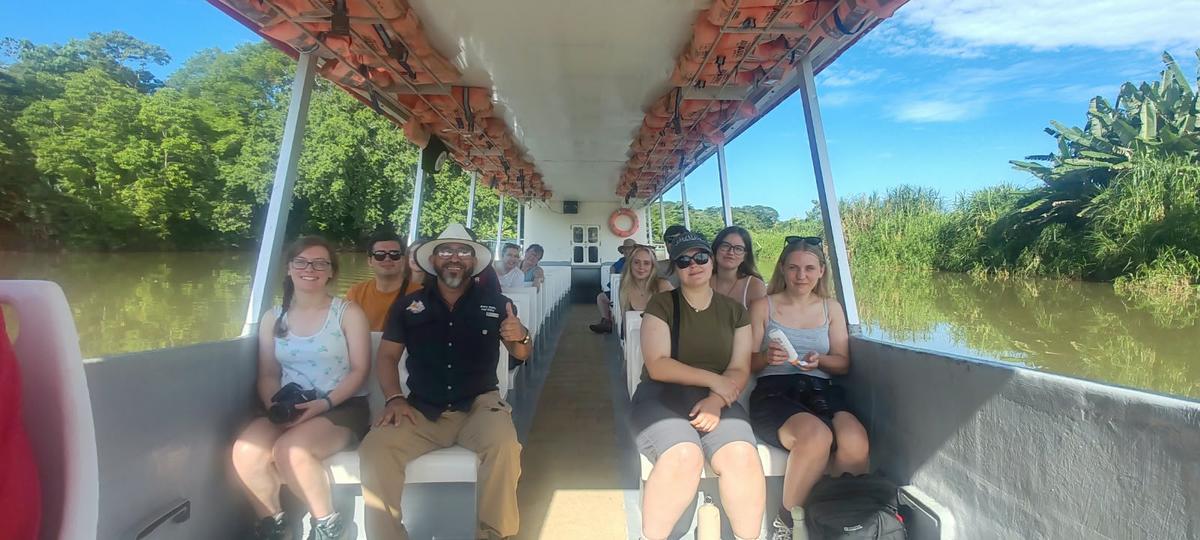
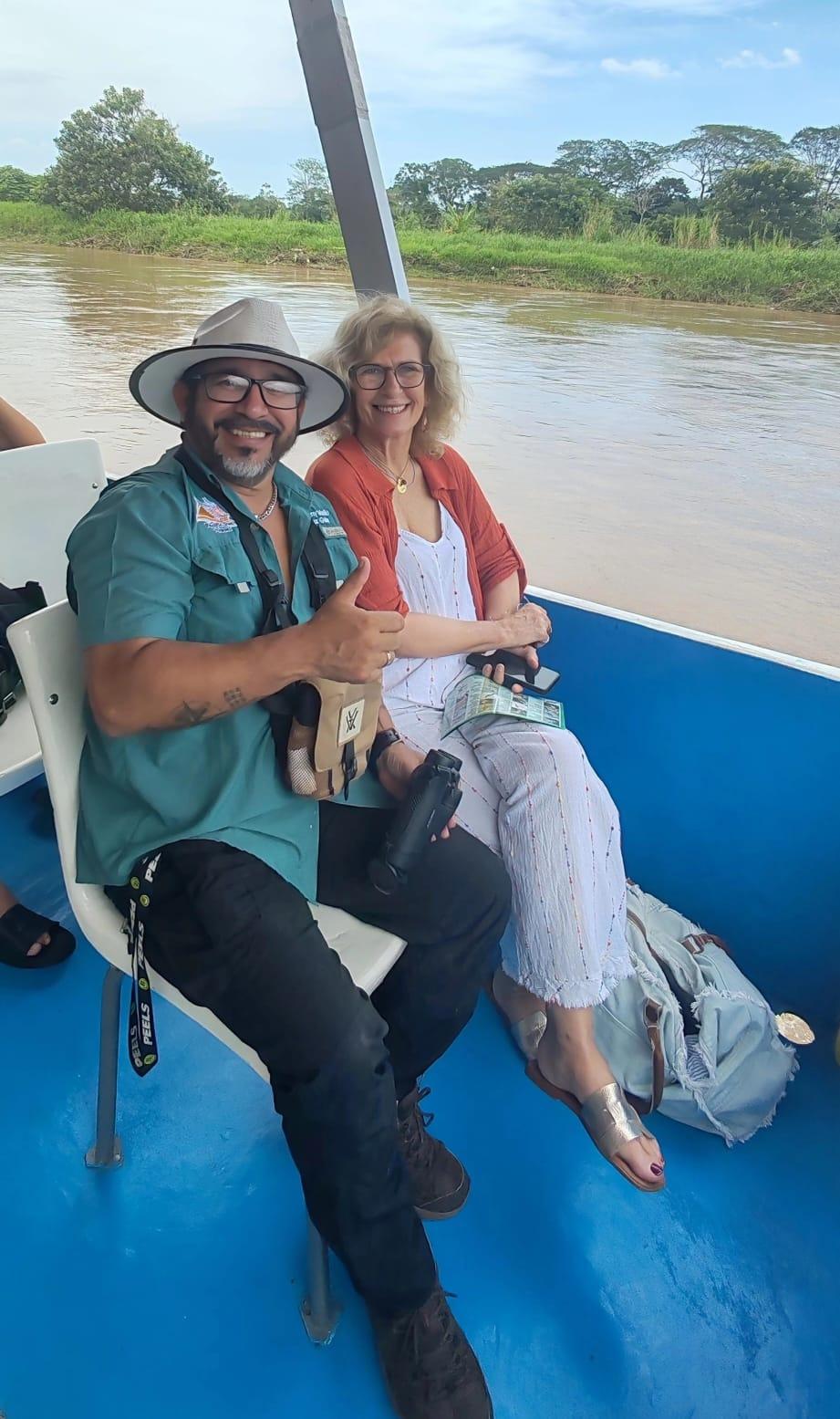
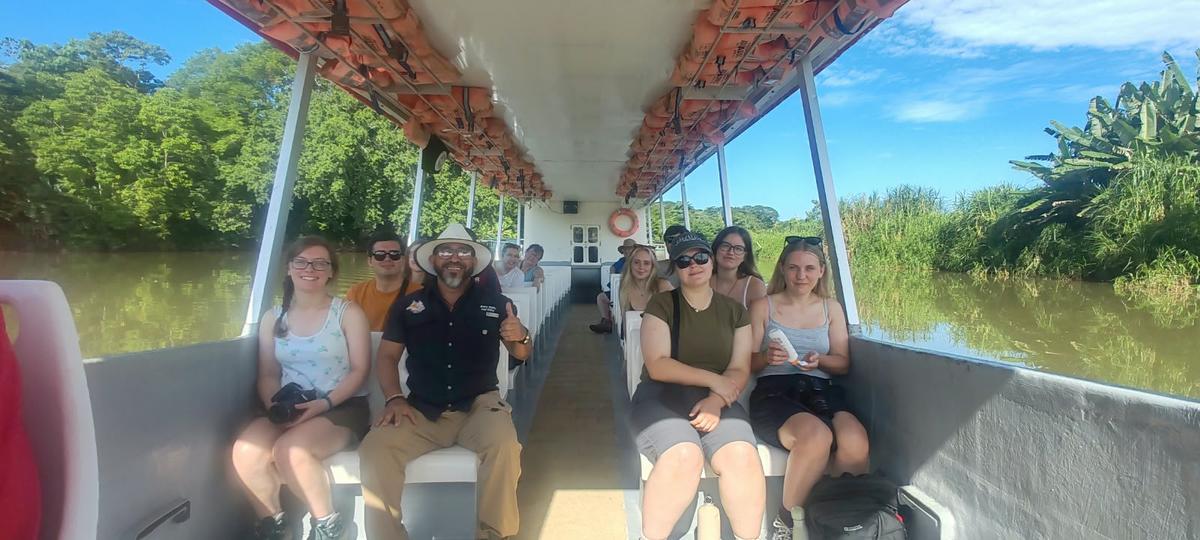
Safaris take place on open, stable boats with life jackets and a local guide who knows the river. The lower stretch lets you approach crocodiles resting on the bank and enter mangrove channels where many birds nest.
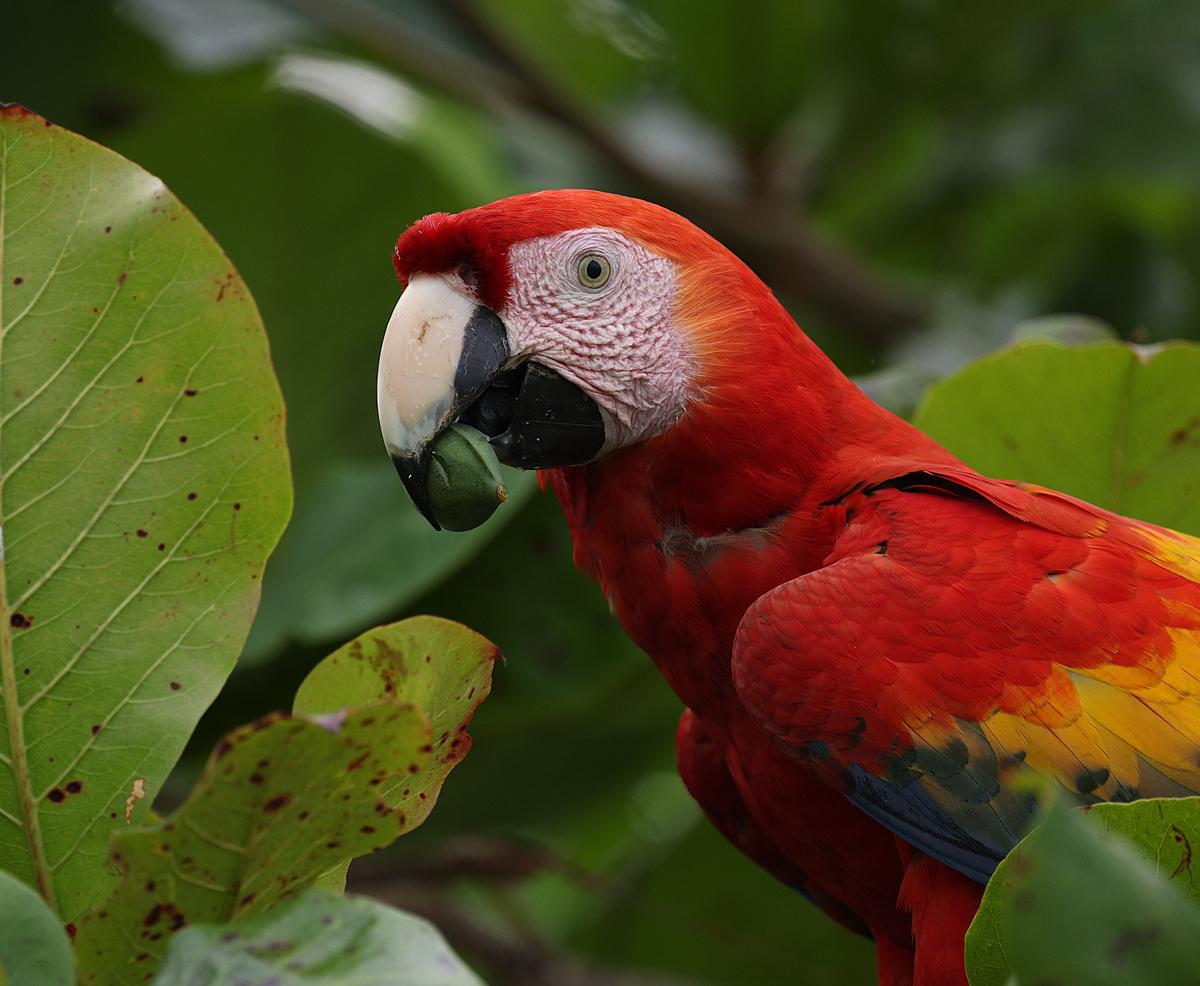
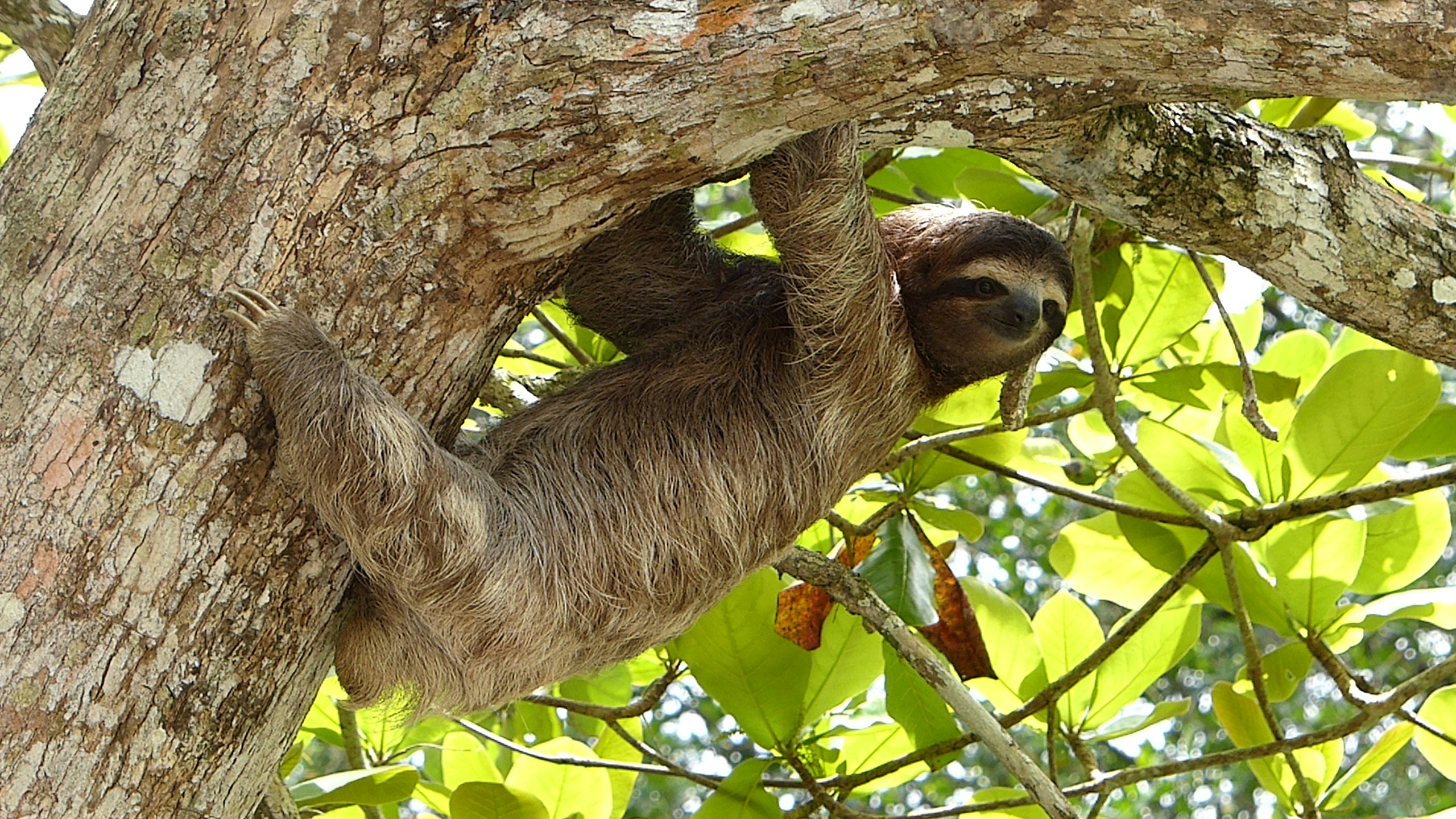
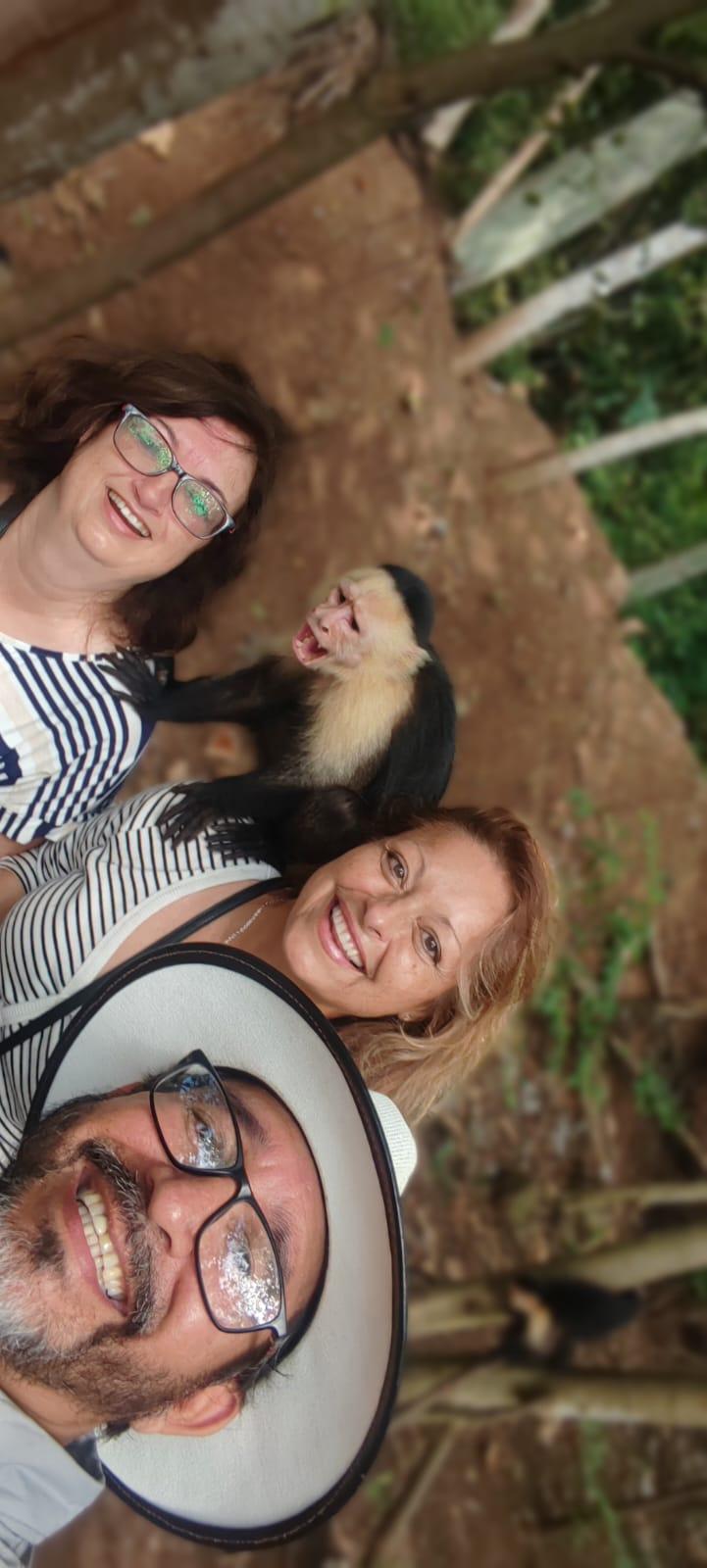
Herons, kingfishers, cormorants and birds of prey are common, along with iguanas and, with luck, monkeys in the riverside vegetation. A hat, sunscreen, insect repellent and water are essential; a camera with zoom or binoculars help you miss nothing.
The exact duration and departure point depend on the operator and are confirmed when you book. Either way, the experience is designed to explore the mangroves calmly and return to land without rushing, without getting closer to the animals than is prudent.
The Crocodile Bridge, on the Coastal Highway, is the other major observation point: from the railing you can see the reptiles several metres below. Not every stretch has railings designed for tourists, so take extra care and do not lean too far, especially with small children. For those driving on Route 27, the bridge is a quick stop between San José and Jacó; for those after the full experience, the boat is still the best way to explore the mangroves.